Google rolled out a long-awaited Performance Max (PMax) reporting upgrade, giving advertisers their first clear look at how Search Partners affect campaign results.
Driving the news. The update is now live in Google Ads and adds Search Partners to the PMax channel performance tables. Advertisers can now see:
- How Search Partners contribute to PMax results.
- Whether they add incremental value.
- How their performance compares with other PMax channels.
- Total spend going to Search Partners.
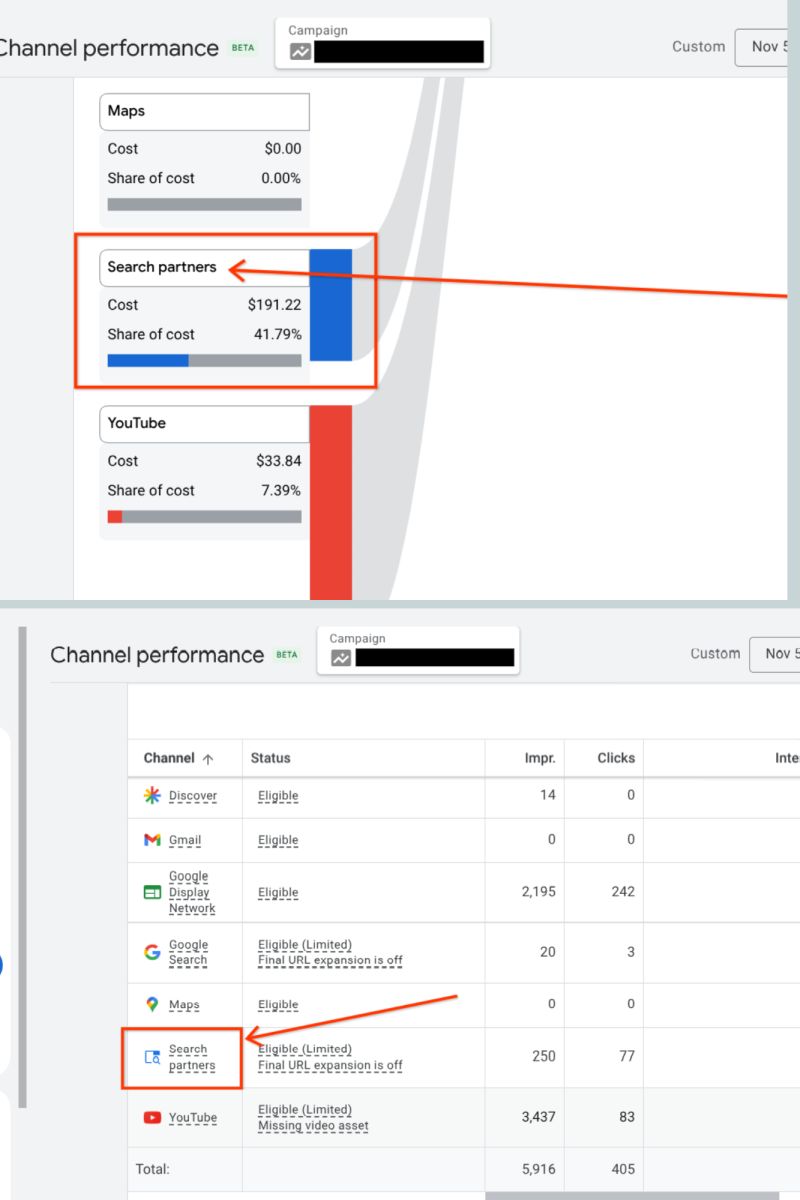
What’s changing. The added transparency shows how PMax spreads budget across channels – especially in search – and helps confirm whether Search Partners traffic is profitable or pulling down efficiency.
Why we care. Search Partners activity has long been hidden inside PMax, making it hard for advertisers to see where spend was going or gauge its impact, but the new reporting line finally brings visibility to this opaque slice of search inventory. With that clarity, teams can assess incremental value, compare performance against other PMax channels, and make smarter optimization and budgeting decisions. In short, you can now measure spend that was previously invisible, and that insight can directly influence performance and profitability.
The big picture. The update may look small, but it’s a meaningful step toward unpacking how PMax works. For accounts running PMax at scale or analyzing profitability by channel, isolating Search Partners data can shape optimization, budgeting, and broader strategy.
First seen. Google Ads specialist Aleksejus Podpruginas first spotted the update and shared it on LinkedIn.
Bottom line. PMax is finally revealing a missing piece of the puzzle, giving advertisers a clearer view of how Google’s automation spends their money.
Search Engine Land is owned by Semrush. We remain committed to providing high-quality coverage of marketing topics. Unless otherwise noted, this page’s content was written by either an employee or a paid contractor of Semrush Inc.
About the Author


